
 English
 简体中文
简体中文  繁体中文
繁体中文 
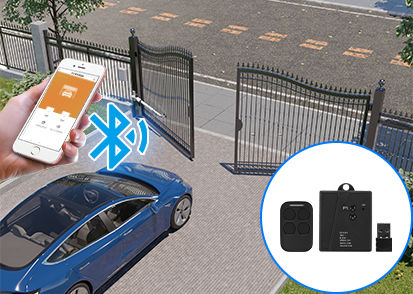


Energy Saving and Power Consumption Optimization Solutions for Automatic Gate Opener
Energy Saving and Power Consumption Optimization Solutions for Automatic Gate Opener
Many customers ask why their automatic gate opener consume so much electricity and whether there are effective ways to reduce energy usage. This article explains the main causes of excessive power consumption and provides practical energy-saving optimization solutions for automatic gate systems.
Over time, many gate systems begin consuming more energy than expected. Even after adjusting settings, users often find it difficult to achieve meaningful energy savings. To solve the problem effectively, it is important to first understand the major sources of energy loss.
The drive system is the primary source of power consumption in an automatic gate operator.
Traditional gate operators commonly use asynchronous (induction) motors, which typically have:
· High startup current
· Lower operating efficiency
· Significant idle power consumption
· High instantaneous power peaks during acceleration and braking
When the gate repeatedly starts and stops, these inefficiencies become more pronounced.
Using a control system with:
· Soft-start and soft-stop functions
· Accurate limit positioning
· Automatic motor stop after full closure
can effectively prevent unnecessary motor idling after the gate has fully closed. This significantly reduces wasted energy and also extends motor lifespan.
Automatic gate systems equipped with infrared sensors, photocells, or loop detectors may experience frequent false triggering if sensors are improperly configured.
Frequent unintended activations cause:
· Repeated motor start-stop cycles
· Increased electrical load
· Higher long-term energy consumption
· Accelerated wear of electrical components
To reduce control-related power loss:
· Install infrared sensors in precise positions
· Ensure sensor detection zones are correctly calibrated
· Match sensor positioning with gate travel limits
· Adjust loop detector sensitivity to detect only intended vehicles
Proper sensor configuration minimizes false activations and unnecessary gate movement.
Mechanical components such as:
· Gears
· Rails
· Rollers
· Drive belts
· Bearings
all generate friction during operation. Poor lubrication, low installation precision, or worn components can greatly increase transmission resistance and energy loss.
In addition to higher electricity consumption, excessive mechanical resistance also shortens the service life of the gate operator.
Efficient mechanical design focuses on smoother transmission and reduced operating load.
Recommended improvements include:
· Using gear-and-rack or direct-drive systems instead of low-efficiency belt transmission
· Selecting high-precision, low-friction components
· Performing regular lubrication and maintenance
· Reducing gate weight through lightweight materials such as aluminum alloy
· Improving sealing performance to reduce indoor heating and cooling loss
· Choosing sliding gate systems where appropriate, as they generally require less operating force
These measures reduce motor load and improve overall energy efficiency.
Auxiliary devices also contribute to unnecessary energy usage, including:
· Warning lights
· Illumination systems
· Standby electronic modules
Some older systems still use traditional incandescent lighting, which consumes significantly more power than modern alternatives.
Energy-efficient auxiliary design should focus on reducing standby and indirect power consumption.
Recommended measures include:
· Replacing incandescent lights with LED lighting
· Using motion-activated or gate-triggered lighting control
· Automatically turning lights off after a delay when the gate closes
LED lighting typically consumes only a fraction of the energy used by conventional bulbs while providing a much longer service life.
Compared with traditional induction motors and brushed motors:
· Three-phase motors
· Brushless DC motors (BLDC)
offer significantly better energy efficiency.
Advantages include:
· Variable-speed control
· Lower startup current
· Higher conversion efficiency
· Smoother acceleration and deceleration
· Reduced heat generation
Modern inverter-based systems can automatically adjust operating frequency according to load conditions, minimizing unnecessary energy consumption.
Incorrect limit positioning is a common but often overlooked source of energy waste.
Limit switches should be precisely aligned to ensure the motor stops immediately after the gate fully closes.
Using “limit-stop” operation is more energy-efficient than obstacle-detection stopping.
With obstacle-detection stopping, the motor continues applying force until resistance is detected, increasing power consumption and mechanical stress.
Modern gate systems can further reduce energy consumption through smart operating modes.
Allows partial opening for pedestrian access, reducing unnecessary full-opening cycles.
Keeps the gate open temporarily during periods of heavy vehicle traffic, reducing repeated open-close cycles.
These intelligent modes can significantly improve operational efficiency in high-traffic environments.
To maintain optimal performance and low energy consumption:
· Replace aging components promptly
· Perform regular maintenance and lubrication
· Periodically recalibrate sensors and limit switches
· Select high-quality materials and efficient drive systems during initial installation
· Ensure professional installation and commissioning
Proper system design from the beginning is one of the most effective ways to reduce long-term operating costs.
Energy efficiency in automatic gate systems depends on the combined optimization of:
· Drive systems
· Motor technology
· Sensor configuration
· Mechanical transmission
· Auxiliary components
· Intelligent operating control
By adopting high-efficiency motors, optimizing mechanical structures, reducing false triggering, and implementing intelligent control strategies, automatic gate operators can significantly reduce power consumption while improving reliability and extending service life.
If you still have questions about optimizing your automatic gate system, feel free to contact our team. We will provide professional recommendations and customized energy-saving solutions tailored to your project requirements.
 37 Sunshine Road, Photoelectric Information Industrial Park, Nan'an, Fujian, China
© Copyright: 2022 Giant Alarm System Co.,Ltd All Rights Reserved.

IPv6 network supported


